Ylang Ylang vs. Bergamot: Which Helps More With Anxiety? A Singapore Aromatherapy Guide
Feeling tense, mentally overwhelmed, or simply in need of a calmer moment? Aromatherapy is one complementary wellness practice that many people incorporate into their daily routines through inhalation, diffusion, massage, and other scent-based rituals.
But when it comes to choosing an essential oil for relaxation, two names often come up: ylang ylang and bergamot.
Both have distinctive scent profiles and are used in aromatherapy, but which one is more suitable when anxiety or everyday tension is the concern?
The answer is not as straightforward as choosing one “winner.” Research on aromatherapy and anxiety remains mixed, and individual responses to fragrance can vary. Still, ylang ylang and bergamot offer different sensory experiences that may help you decide which better suits your personal wellness ritual.
In this aromatherapy Singapore guide, we compare ylang ylang vs. bergamot for anxiety, explore what current research says, explain how each oil is commonly used, and share practical safety considerations for incorporating aromatherapy into your routine.
What Is Aromatherapy?
Aromatherapy is a complementary wellness practice involving essential oils extracted from aromatic plants. These oils are commonly inhaled or diluted before topical application.
According to the National Center for Complementary and Integrative Health (NCCIH), aromatherapy uses essential oils as a complementary approach, although research quality and evidence vary depending on the oil, condition and method of use.
For those exploring aromatherapy in Singapore, HYSSES offers a range of essential oils and aromatherapy products designed to bring botanical scents into everyday rituals. You can learn more about the practice and HYSSES’ approach in Aromatherapy in Singapore.
The important distinction is that aromatherapy should be viewed as a wellness and complementary practice, rather than a replacement for professional treatment for an anxiety disorder.
Ylang Ylang vs. Bergamot: What Is the Difference?
Although both oils are popular in aromatherapy, they create very different olfactory experiences.
Ylang Ylang
Ylang ylang is derived from the flowers of Cananga odorata. Its aroma is typically described as rich, floral, sweet and exotic.
HYSSES’ Ylang Ylang Essential Oil is sourced from Madagascar and has a strong floral profile. It can be used in aromatherapy applications such as diffusion or, when appropriately diluted, topical applications.
The fuller floral character of ylang ylang may appeal to people who associate warm, enveloping scents with relaxation and evening rituals.
Bergamot
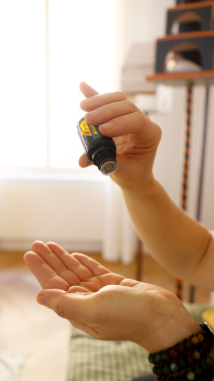
Bergamot comes from Citrus bergamia, a citrus fruit whose peel produces a bright, fresh and slightly floral aroma.
HYSSES describes its Bergamot Essential Oil as having a gentle citrus profile with floral-green nuances. Its lighter character can make it particularly appealing for daytime use, workspaces or moments when you want a scent that feels both refreshing and calming.
This difference in scent character is important. If you prefer rich floral fragrances, ylang ylang may be more appealing. If you prefer fresh citrus aromas, bergamot may be the more natural choice.
What Does Research Say About Ylang Ylang and Anxiety?
There is some human research examining ylang ylang and psychological or physiological responses, but the evidence is not strong enough to say that ylang ylang treats anxiety.
A 2006 study published in Phytotherapy Research examined the effects of ylang ylang oil after transdermal absorption in 40 healthy volunteers. The researchers observed changes in some physiological measures and reported that participants rated themselves as calmer and more relaxed. However, this was a small study and does not establish ylang ylang as a treatment for anxiety disorders. Read the study on PubMed.
Another 2014 pilot study involving 34 nursing professionals examined ylang ylang administered through inhalation or topical application. While changes in self-esteem were observed, the researchers did not find significant differences between groups for anxiety. Read the full study.
This distinction matters.
Ylang ylang may be an enjoyable part of a calming sensory ritual, but current research does not justify claiming that it directly treats anxiety.
What Does Research Say About Bergamot and Anxiety?
Bergamot has also been investigated in human studies, including research specifically examining anxiety-related outcomes.
A 2020 controlled trial investigated bergamot orange essence in patients preparing for laparoscopic cholecystectomy and examined anxiety alongside physiological stress markers. The study provides some evidence of a potential relationship between bergamot aroma exposure and anxiety-related outcomes in a specific clinical setting, but it should not be interpreted as proof that bergamot treats anxiety generally. Read the study on PubMed.
There is also broader research into aromatherapy blends containing bergamot and other essential oils. However, results are not consistently positive. For example, a 2024 randomized, blinded, placebo-controlled study of ICU nurses used a blend containing lavender, bergamot, ylang ylang and sweet orange. The researchers found no statistically significant difference in anxiety between the aromatherapy and placebo groups. View the study on PubMed.
This is why it is more accurate to say that bergamot is being studied for its potential effects on mood and anxiety-related experiences, rather than claiming that it is proven to reduce anxiety.
Ylang Ylang vs. Bergamot for Anxiety: Which Is Better?
Ylang Ylang
Bergamot
Scent profile
Rich, sweet, floral
Fresh, citrusy, lightly floral
Overall character
Warm and enveloping
Bright and refreshing
May suit
Evening or slower rituals
Daytime or uplifting rituals
Research
Limited human evidence
Some human research, but still limited
Best approach
Use as a sensory relaxation ritual
Use as a sensory relaxation or refreshing ritual
Choose Ylang Ylang If You Prefer:
Choose Bergamot If You Prefer:
Ultimately, there is no scientifically established winner between ylang ylang and bergamot for anxiety.
Your response to fragrance is personal, and the evidence for aromatherapy as a whole remains variable. The most useful approach is to choose a scent you genuinely enjoy and incorporate it into a safe, consistent wellness ritual.
How to Use Ylang Ylang and Bergamot in Your Aromatherapy Routine
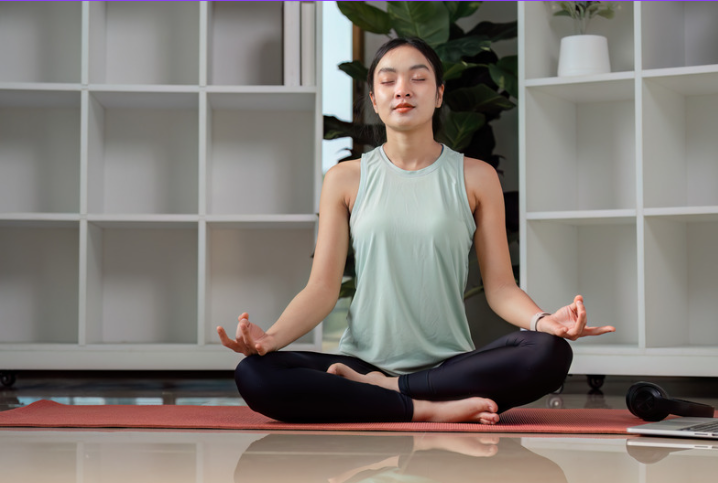
One of the simplest ways to incorporate either essential oil is through inhalation or diffusion.
For example, you could use a diffuser during a quiet evening routine, while reading, journaling or practising breathing exercises.
If you are new to essential oils, HYSSES’ Essential Oil collection provides different botanical options to explore.
You can also learn more about individual essential oils through HYSSES’ Essential Oil 101 resources, which provide information about scent profiles, applications and precautions.
For topical use, essential oils should not be applied directly to the skin without appropriate dilution. Always follow the specific product instructions and recommended dilution guidance.
Creating a Calming Aromatherapy Ritual
Rather than thinking of aromatherapy as a standalone treatment, consider using fragrance as one element of a broader self-care routine.
For example:
1. Choose your scent
Select ylang ylang if you prefer a deep floral aroma or bergamot if you prefer a fresh citrus profile.
2. Create a quiet environment
Reduce distractions and choose a comfortable space.
3. Diffuse according to product instructions
Use the recommended amount and duration for your diffuser or aromatherapy device.
4. Pair the scent with mindful breathing
Take slow, comfortable breaths and pay attention to the aroma rather than trying to force a particular emotional response.
5. Make it consistent
A short ritual that you genuinely enjoy may be easier to maintain than an elaborate routine.
As Cheryl Gan, Founder and Managing Director of HYSSES, puts it:
“At HYSSES, we believe wellness is a ritual that can be woven into everyday life through the thoughtful use of nature, scent and mindful moments.”
The value of an aromatherapy ritual can therefore lie not only in the essential oil itself, but also in the pause it creates within your day.
Safety Considerations When Using Essential Oils
Essential oils are highly concentrated plant extracts, so more is not necessarily better.
When using ylang ylang, bergamot or other essential oils:
- Follow the product’s recommended method of use.
- Dilute essential oils appropriately before topical application.
- Avoid contact with the eyes and mucous membranes.
- Do not ingest essential oils unless specifically directed by a qualified professional.
- Patch test diluted topical applications before wider use.
- Keep essential oils away from children and pets.
- If you are pregnant, breastfeeding, taking medication or managing a health condition, seek professional advice before using essential oils.
- Take particular care with citrus essential oils used on the skin because some may cause photosensitivity.
The NCCIH notes that essential oils can cause skin irritation or allergic reactions in some people and that certain citrus oils may increase sun sensitivity when applied to the skin. For broader guidance, refer to the NCCIH aromatherapy safety information.
Can Aromatherapy Replace Anxiety Treatment?
No.
If anxiety is persistent, severe, interfering with daily life or accompanied by physical or emotional symptoms that concern you, speak with a qualified healthcare professional.
Aromatherapy can be incorporated into a broader wellness routine, but it should not replace professional assessment or evidence-based treatment.
This is particularly important because research into aromatherapy and anxiety is still developing. Even studies with encouraging results generally examine specific oils, populations, doses and circumstances rather than proving that essential oils work universally.
Ylang Ylang or Bergamot: Which One Should You Try?
So, ylang ylang vs. bergamot, which helps more with anxiety? There isn’t enough evidence to declare one universally more effective.
Ylang ylang may appeal to those who enjoy rich, floral aromas and want to incorporate a softer, slower scent into their routine. Bergamot, meanwhile, offers a bright citrus profile that can work well for people who prefer lighter and fresher fragrances.
Rather than searching for a single “best” essential oil for anxiety, consider the scent you enjoy, how you plan to use it and whether it helps you create a mindful moment in your day.
For those exploring aromatherapy in Singapore, HYSSES offers a variety of essential oils and scent-based products that can be incorporated into everyday wellness rituals. Explore the HYSSES Aromatherapy collection to discover different botanical scents and find one that fits your routine.
Frequently Asked Questions
Is ylang ylang or bergamot better for anxiety?
There is currently insufficient evidence to say that either oil is definitively better for anxiety. Some small human studies have investigated both oils, but the evidence is limited and results vary.
Can I diffuse ylang ylang and bergamot together?
They can be combined as a fragrance blend if the combination is compatible with your diffuser and the product instructions. Ylang ylang provides a rich floral note, while bergamot adds a brighter citrus character. Start with a small amount rather than creating a highly concentrated blend.
Can I apply bergamot or ylang ylang directly to my skin?
No. Essential oils are concentrated and should generally be appropriately diluted before topical application. Bergamot also requires particular care because some forms can cause photosensitivity when applied to the skin.
How long should I diffuse essential oils?
Follow the instructions provided with your diffuser and essential oil. Avoid prolonged exposure to highly concentrated aromas, and ensure appropriate ventilation.
Can aromatherapy cure anxiety?
No. Aromatherapy should not be described as a cure for anxiety. It may be used as a complementary wellness practice, but persistent or clinically significant anxiety should be discussed with a qualified healthcare professional.
More Ways to Unwind with Pure Bhāva Healing
Want to add more calm to your routine? Explore our sound healing sessions or Reiki healing. You can also read about the healing power of sound and how Reiki may support anxiety and depression.
Disclaimer
This article is intended for general educational and wellness information only. It does not diagnose, treat or cure anxiety or any other medical condition. Research on essential oils and aromatherapy varies in quality and scope, and individual responses may differ. Always follow product instructions and seek advice from a qualified healthcare professional if you have concerns about anxiety, medication interactions, pregnancy, breastfeeding or another health condition.
References
- National Center for Complementary and Integrative Health (NCCIH) — Aromatherapy
- Gnatta, J. R. et al. (2014). Aromatherapy with ylang ylang for anxiety and self-esteem: a pilot study. Revista da Escola de Enfermagem da USP. Read the study
- Hongratanaworakit, T. (2006). Relaxing effect of ylang ylang oil on humans after transdermal absorption. Phytotherapy Research. Read the study on PubMed
- Pasyar, N., Rambod, M. & Araghi, F. (2020). The effect of bergamot orange essence on anxiety, salivary cortisol, and alpha amylase in patients prior to laparoscopic cholecystectomy: A controlled trial study. Complementary Therapies in Clinical Practice. Read the study on PubMed
- Hubbard, S. et al. (2024). Impact of aromatherapy on anxiety among ICU nurses: A randomized, blinded, placebo-controlled trial. Read the study on PubMed